Posted on

Microsoft Office Installation: Best Practices for Success

Getting your Microsoft Office installation right the first time is one of those tasks that sounds simple until you’re staring at a progress bar that hasn’t moved in twenty minutes. We’ve all been there. You just want to get to work, but the software has other plans.

Setting up your productivity suite shouldn’t feel like a chore. Whether you are managing a small business or just setting up a single laptop, doing it correctly ensures you won’t face annoying crashes or licensing bugs later on. It’s about building a solid foundation for your daily tasks.

In my experience, most people rush through the “Next” buttons without checking their system health first. This leads to registry errors or version conflicts that are a pain to fix. Let’s look at how to handle this like a pro.

Why a Professional Microsoft Office Installation Matters for Your Team

When you prioritize a clean Microsoft Office installation, you’re doing more than just putting icons on a desktop. You’re ensuring that Excel doesn’t hang during a massive data crunch and that Outlook actually syncs when you need it most. It is the backbone of modern office communication.

A messy setup often leaves behind traces of old versions. These “ghost files” can cause the software to act erratically. By following a professional standard, you minimize downtime and keep your team’s morale high because their tools actually work.

Think of it like tuning an engine. Sure, it might start if you just turn the key, but a fine-tuned engine lasts longer and runs smoother under pressure. [software optimization tips] can help you understand the long-term benefits of clean software environments.

Essential Pre-Checklist: Preparing Your System for Success

Before you click that download link, look at your hardware. Does your computer meet the minimum requirements? Most modern PCs do, but storage space is a common bottleneck that people forget to check.

Update your Windows or macOS operating system first. Microsoft spends a lot of time making sure their official system requirements are met by the latest security patches. If your OS is out of date, the installer might stop halfway through.

Finally, remove any trial versions of Office that came pre-installed on your machine. These trials often conflict with your new license. Use the official “Easy Fix” tool from Microsoft to scrub the drive clean before you start your fresh Microsoft Office installation.

Step-by-Step Guide to a Flawless Microsoft Office Installation

The first step is grabbing the right installer from your account dashboard. Log in to the official portal and select your preferred language and bit-version (usually 64-bit for modern machines). This ensures your Microsoft Office installation matches your hardware’s architecture.

Once the setup file downloads, right-click it and select “Run as Administrator.” This gives the installer the permissions it needs to write to protected system folders. Without this, you might run into “Access Denied” errors that are frustratingly vague.

Microsoft Office installation - interface showing the progress bar on a Windows desktop

Keep your internet connection stable. Most modern Office setups use a “Click-to-Run” technology, which means it streams the files as it installs. If your Wi-Fi drops, the whole process might corrupt, forcing you to start over from scratch.

Choosing the Right Version: Microsoft 365 vs. Perpetual Licenses

Are you looking for a one-time purchase or a subscription? Microsoft 365 is the subscription model that gives you constant updates and cloud storage. It’s great for teams that want the latest features the moment they drop.

Perpetual licenses, like Office 2021, are a “buy it once and keep it” deal. They don’t get new features, but they are great for offline machines or budget-conscious users. Your Microsoft Office installation workflow will be slightly different for each, especially regarding how you sign in.

For more details on licensing, check out the Wikipedia page for Microsoft Office which outlines the history and version differences. Knowing what you own helps prevent activation headaches later.

Streamlining Your Deployment Using Enterprise Deployment Tools

If you’re managing fifty computers, you aren’t going to sit at each one with a USB drive. That’s where the Office Deployment Tool (ODT) comes in. It allows you to script your Microsoft Office installation across a whole network.

You can use a configuration XML file to tell the installer exactly which apps to include. Don’t need Publisher or Access? Just leave them out. This saves disk space and reduces the “bloat” on your company machines.

Here is what a basic strategy looks like:

  • Download the Office Deployment Tool from the Microsoft site.
  • Create a configuration file using the Office Customization Tool.
  • Run the command line to start the silent install across your machines.

Best Practices for Troubleshooting Your Microsoft Office Installation

What happens when things go wrong? Error codes like “0-1011” or “30015” are common during a Microsoft Office installation. Usually, these mean another process is blocking the setup or your internet timed out.

The first rule of troubleshooting: restart your computer. It sounds like a cliché, but it clears the RAM and stops any hung background processes. You’d be surprised how often this fixes a stuck installer.

If that fails, check your firewall. Sometimes security software views a brand-new Microsoft Office installation as a suspicious activity. Temporarily disabling your third-party antivirus can often clear the path for a successful setup.

How to Avoid Common Activation and Licensing Errors

Activation errors usually happen because of a “token” conflict. This happens when the computer thinks it already has a license assigned to it. Make sure you are signed into the correct Microsoft account before you open Word for the first time.

If you see an “Account Unlicensed” message, don’t panic. Check your subscription status in the portal first. Sometimes a failed payment or an expired card is the hidden culprit behind a broken Microsoft Office installation experience.

I’ve found that running the “SARA” tool (Microsoft Support and Recovery Assistant) is a lifesaver here. It automates the boring stuff like checking registry keys and reset scripts. It’s like having a digital technician in your pocket.

When to Reach Out for Expert Office Installation Support

Look, I’m a big fan of DIY, but sometimes the registry is just too far gone. If you’ve tried the official tools and you’re still getting the same error, it’s time for some Office installation support. Professional help can save you hours of googling.

IT consultants have access to deeper diagnostic logs that the average user doesn’t see. They can identify if your hardware is failing or if there’s a deep-seated Windows corruption issue. Sometimes, a total OS re-image is the only way to get a clean Microsoft Office installation.

If you or your company are struggling with these steps, seeking out [managed IT services] might be the right move. It’s better to pay for an hour of expert help than to lose a whole day of work to software errors.

Microsoft Office installation - technician troubleshooting a laptop software issue

Optimizing Post-Installation Settings for Maximum Productivity

Once the green checkmark appears and the Microsoft Office installation is complete, don’t stop there. Spend five minutes tweaking your settings. Turn off those annoying “Get started” pop-ups and set your default save location to OneDrive or a local server.

Customizing the Quick Access Toolbar in Excel or Word can shave minutes off your daily tasks. In my experience, most people stay with the default settings forever, missing out on features that make the software much faster to use.

Also, check for updates immediately. Even if you just downloaded the installer, there might be a “Zero Day” security patch waiting for you. Keeping your Microsoft Office installation updated is the only way to stay safe from the latest macro-based vulnerabilities.

Empowering Your Workflow with a Seamless Setup Experience

At the end of the day, your software should work for you, not the other way around. A successful Microsoft Office installation sets the stage for everything you do, from drafting simple emails to building complex financial models. It’s the starting line for your productivity.

By following these best practices—preparing your system, choosing the right version, and knowing when to ask for Office installation support—you’re avoiding the stress that usually comes with tech upgrades. You’re choosing a smoother, more efficient workday.

Don’t be afraid to take it slow. Double-check your requirements, clear out the old clutter, and stick to the official sources. If you want to learn more about keeping your system healthy, read our guide on [proactive computer maintenance] to keep your apps running fast.

Your tools are an investment in your success. Treat your Microsoft Office installation with the care it deserves, and it will serve you well for years to come. Now, go ahead and start that download—you’ve got this!

Posted on

Microsoft Windows 8.1: Smart Tips to Stay Safe and Fast Now

Microsoft Windows 8.1
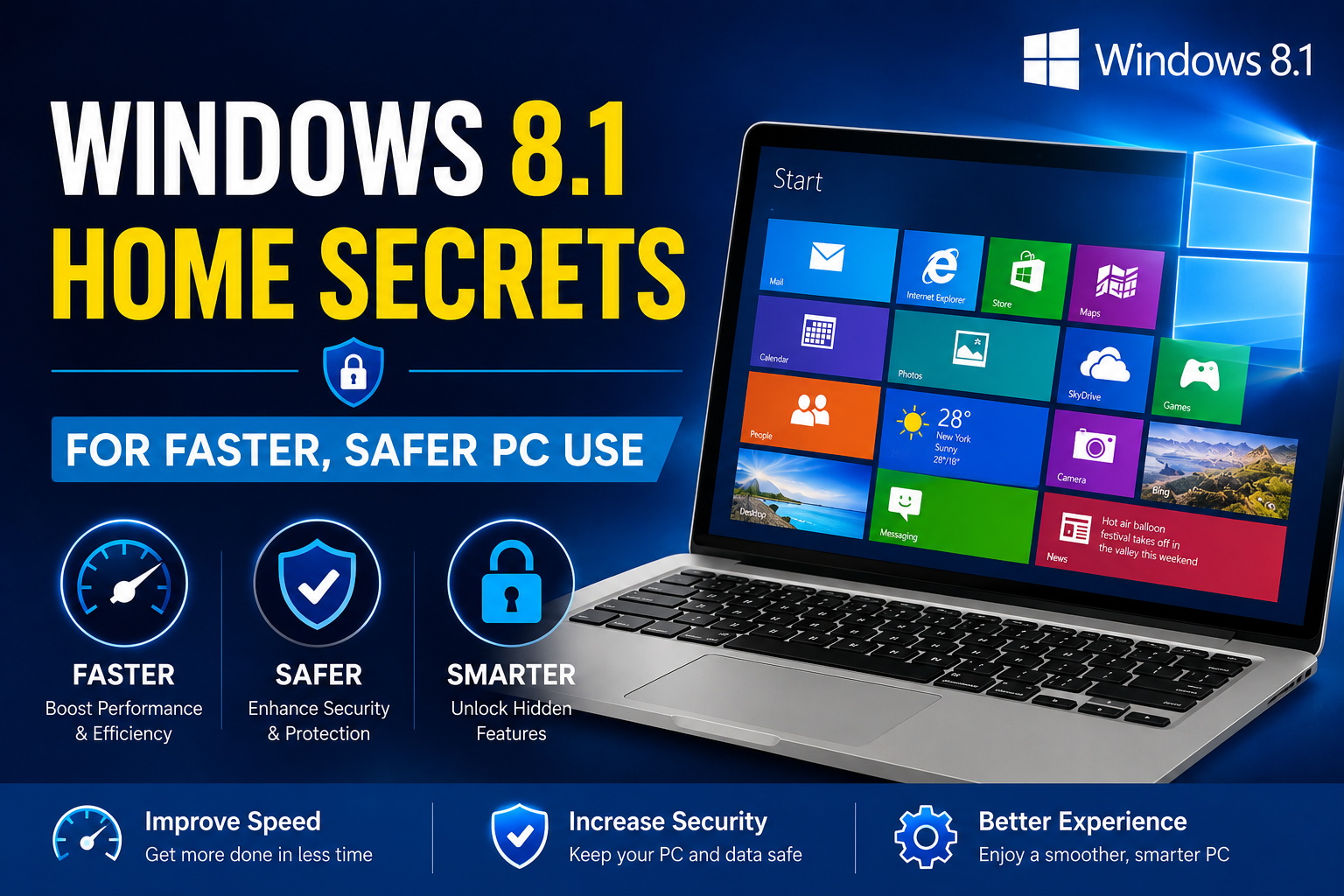
Microsoft Windows 8.1 continues to run on many laptops and desktops today. If you use it, you can keep your device stable, faster, and safer with a few smart steps. This guide shares practical actions you can do right now. It also explains what has changed in recent years. You will learn how to reduce risk, improve performance, and plan a smooth upgrade.
Even if your PC feels “fine,” modern threats have changed. Attackers now use safer-looking emails, fake updates, and driver tricks. Also, many newer apps no longer support older systems. Because of this, a clear plan is essential. You can stay productive today and avoid surprises later.
In this article, you will find:
  • The current support reality and why it matters
  • Security steps that still help a lot
  • Performance and cleanup tips that actually work
  • Browser and app choices that reduce exposure
  • Backup and upgrade paths that fit different budgets

What is Microsoft Windows 8.1 today?

Microsoft Windows 8.1 is an older desktop operating system released after Windows 8. It improved the Start experience, added better search, and refined the interface for both mouse and touch. It can still run common tasks like documents, printing, and light media use.
However, the internet is not the same as it was when it launched. Security expectations are higher now. Many services also require newer encryption and newer browsers. As a result, you need stronger habits and tighter settings than before.

Microsoft Windows 8.1 support status and why it matters

Microsoft ended mainstream support long ago. Extended support for Windows 8.1 has also ended. That means it no longer receives regular security updates from Microsoft. This fact changes how you should use the system.
Because updates stop, new vulnerabilities stay open. Also, some software vendors stop testing on older systems. So bugs can show up and remain unfixed. Yet you can still reduce risk with layered protection and safer usage.
Key impact areas include:
  • Security patches stop new threats.
  • Newer apps drop support over time.
  • Browsers age out and become risky.
  • Drivers and firmware may lack fixes.
Still, the device is not instantly unsafe. It just needs a careful strategy.

Microsoft Windows 8.1 security checklist you can apply now

You can lower risk without complex tools. Start with the basics. Then add a few strong layers.

1) Use a standard user account for daily work

Admin accounts make malware installs easier. Create a standard account. Use admin only when needed. This reduces damage during attacks.

2) Keep Microsoft Defender or a trusted antivirus active

If you use a third-party antivirus, keep it updated daily. Also, avoid running two real-time antivirus tools. That can cause conflicts.

3) Turn on the firewall and keep it on

The built-in firewall blocks many inbound threats. Also, it helps control app connections. Review allowed apps and remove unknown entries.

4) Remove unused software

Old toolbars and “free” utilities often add risk. Uninstall what you do not use. This step also improves speed.

5) Use strong passwords and a password manager

Long passwords reduce account takeovers. A password manager also helps you avoid reuse. That matters more than ever.

6) Add multi-factor authentication where possible

Use MFA for email, banking, and cloud accounts. Even if a password leaks, MFA can stop attackers.

7) Block risky macros and scripts

If you use Office, disable macros by default. Open unknown attachments in viewer mode. Also, avoid running files from email links.

Microsoft Windows 8.1 safe browsing in 2026: what to do

Browsers are your main risk surface. Many attacks start on the web. So your browser choice and habits matter a lot.

Use a supported browser if possible.

Pick a browser that still receives security updates for your system. If your current browser is outdated, stop using it for sensitive tasks. Use a safer device for banking if needed.

Reduce attack surface with simple settings.

  • Block third-party cookies where you can
  • Disable unnecessary extensions
  • Keep only trusted extensions.
  • Turn on phishing protection.
  • Use HTTPS-only mode if available.

Separate “daily browsing” from “sensitive browsing.”

If you must keep this PC, use it for low-risk tasks. Use a newer device for payments, taxes, or medical portals. This simple split reduces exposure.

Microsoft Windows 8.1 performance tips that still work

Older systems can feel slow. Yet many slowdowns come from startup load, disk issues, and clutter. You can improve speed with a few focused actions.

Clean up startup apps.

Too many startup items slow down boot. Open Task Manager and disable non-essential startup programs. Keep only what you truly need.

Free disk space the smart way

Low disk space can slow updates, caching, and paging. Aim for at least 15–20% free space. Remove:
  • Old downloads
  • Duplicate installers
  • Unused games
  • Temporary files
Also, move photos and videos to an external drive.

Check your drive health.

A failing hard drive causes freezes. Use a SMART tool to check the drive status. If you see warnings, back up now. Then replace the drive.

Upgrade to an SSD if you use a hard drive.

An SSD is the best speed upgrade for older PCs. Boot time and app load time can drop sharply. This upgrade often feels like a new computer.

Add RAM if the system supports it.

If your PC has 4 GB, consider 8 GB. It helps browsers and multitasking. Yet do not overspend on hardware for a very old PC.

Microsoft Windows 8.1 update settings: what you can still manage

Even without new OS patches, some updates still matter. Many apps update on their own. Drivers and firmware may also have updates from the device maker.
Steps to consider:
  • Update browsers and key apps weekly.
  • Update PDF readers and media players.
  • Remove Java if you do not need it.
  • Avoid old plugins like legacy toolbars.
Also, download drivers only from the PC maker or trusted sources. Random driver sites often bundle malware.

Microsoft Windows 8.1 backup strategy for real-life safety

Backups protect you from ransomware, drive failure, and mistakes. A good backup is simple and automatic.

Use the 3-2-1 rule

  • Keep 3 copies of important files.
  • Store them on 2 different media types.
  • Keep 1 copy offline or offsite.
A practical setup:
  • Primary files on your PC
  • A local external drive backup
  • A cloud backup for key folders

Test your backups

A backup is only real when you can restore. Try restoring one folder each month. This step prevents future panic.

Protect backups from ransomware.

Ransomware can encrypt attached drives. After a backup, unplug the drive. Or use a backup tool with versioning and protection.

Microsoft Windows 8.1 app choices: reduce risk and keep speed

Old systems struggle with heavy apps. Choose lighter tools with active development.
Good rules:
  • Prefer apps with frequent updates.
  • Avoid abandoned freeware
  • Avoid “driver booster” tools.
  • Prefer open formats like PDF and DOCX.
Also, remove apps you no longer use. Fewer apps mean fewer attack paths.

Microsoft Windows 8.1 networking tips for safer home use

Your router is part of your security. If your PC is older, your network should be stronger.

Secure the router

  • Change the default admin password.
  • Use WPA2 or WPA3 if supported
  • Disable WPS
  • Update router firmware
  • Create a guest network for visitors.

Use DNS filtering

A family-safe DNS service can block known malicious domains. This can stop some attacks early. It also reduces accidental clicks.

Microsoft Windows 8.1 and banking: a safer approach

If you must use this system, reduce financial risk with smart habits.
Use these steps:
  • Do not store card details in the browser.
  • Avoid installing extra extensions.
  • Use a dedicated browser profile for banking.
  • Log out after every session.
  • Enable account alerts for transactions.
Better option:
  • Use a newer phone or tablet for banking.
    That change gives you modern security updates.

Microsoft Windows 8.1 troubleshooting: common issues and fixes

Slow boot

  • Disable startup items
  • Scan for malware
  • Check disk health
  • Free disk space

Random freezes

  • Check RAM and drive errors.
  • Update essential drivers
  • Remove recently installed tools.
  • Look for overheating and dust.

Wi‑Fi drops

  • Restart router
  • Update Wi‑Fi driver from the OEM site.
  • Change router channel
  • Use 5 GHz if available.

Printer problems

  • Reinstall the printer driver from the maker’s site
  • Try USB instead of Wi‑Fi.
  • Clear the print queue and restart the spooler

Microsoft Windows 8.1 upgrade paths: best options in 2026

At some point, upgrading is safer and often cheaper than repeated fixes. You have a few realistic choices.

Option A: Move to Windows 10 on older hardware

Many older PCs can run Windows 10 better than expected. Drivers may still exist. Yet you should check hardware limits first. This option can extend device life.

Option B: Move to Windows 11 if hardware supports it

Windows 11 has stricter requirements. If your device meets them, it is a strong long-term move. You get modern security features and better app support.

Option C: Use a lightweight Linux for basic tasks

If your PC is very old, Linux can be a good path. It can handle browsing, documents, and media with lower overhead. This option also keeps you on a supported platform.

Option D: Buy a refurbished business laptop

Refurbished models often offer great value. Business laptops are durable. They also have better keyboards and build quality. This can be the best cost-to-safety upgrade.

Microsoft Windows 8.1 data migration: move without stress

A smooth move starts with a clean file plan.
Steps:
  1. List your important folders.
  2. Export browser bookmarks
  3. Copy documents, photos, and desktop files
  4. Save email archives if you use a local client.
  5. Write down app license keys.
  6. Take screenshots of key settings.
Then restore files on the new system. Install apps fresh when possible. Fresh installs avoid carrying old clutter.

Microsoft Windows 8.1 privacy settings you should review

Older systems may have fewer privacy tools. Yet you can still improve privacy with habits.
  • Turn off unused location features.
  • Review installed apps and permissions.
  • Limit browser tracking
  • Clear cookies and site data regularly
  • Use encrypted messaging where possible.
Also, be careful with “system cleaner” apps. Many are aggressive. Some collect data. Use built-in tools instead.

Microsoft Windows 8.1: smart daily habits that prevent trouble

Small habits reduce risk more than complex tools.
Do this daily:
  • Pause before clicking links.
  • Verify senders and domains.
  • Avoid running unknown downloads.
  • Keep only one antivirus tool.
  • Lock your screen when away.
Do this weekly:
  • Update browsers and key apps.
  • Run a malware scan
  • Check backup status
Do this monthly:
  • Test a restore
  • Review accounts for unusual logins.
  • Remove unused apps

Frequently asked questions about Microsoft Windows 8.1

Is it still okay to use it for school or work?

It can work for offline tasks. It is riskier for heavy internet use. Use safer devices for sensitive logins when possible.

Can I make it fully secure?

No system is “fully secure.” You can lower risk a lot with layered protection, safer browsing, and backups.

What is the best single upgrade for speed?

An SSD upgrade gives the biggest speed boost on most older PCs.

Should I keep using old browsers?

No. Outdated browsers raise risk. Use a supported browser. If none is supported, limit the PC to offline tasks.

Keep it stable now, plan the safer next step

You can keep an older PC useful with careful security, lighter software, and reliable backups. At the same time, you should plan a move to a supported platform. That plan reduces stress and protects your accounts. Use the tips above to stay productive today and ready for tomorrow.
Posted on

Windows 8.1 Pro: Fast, Safe Tips to Keep It Running Strong

Windows 8.1 Pro
Windows 8.1 Pro remains a familiar system in many homes and offices. It still powers older laptops, point of sale devices, and small business PCs. Yet today, it needs smarter care than before. Support has ended, so security habits matter more. Still, you can keep it stable, responsive, and useful. You can also reduce risk with clear steps and better tools. This guide shares practical, updated actions you can use now. It also answers common questions people still search for. You will learn how to secure the device, speed it up, and plan your next move.

Why people still use Windows 8.1 Pro today

Many devices shipped with this edition. Some hardware runs best on it. Some businesses rely on older apps. Also, some users prefer its interface. Those reasons still exist.
However, the software no longer receives security updates. That changes your risk level. So, you need a stronger routine. You also need safer browsing and tighter access control. With the right setup, you can keep daily tasks smooth. You can also limit exposure to threats.

Windows 8.1 Pro end of support and what it means

Microsoft ended support for the system in January 2023. That means no new security patches. It also means new vulnerabilities can stay open. Attackers often target unpatched systems. So, you must compensate with a layered defense.
You can reduce risk by limiting what the PC can do. You can also isolate it from sensitive work. If you must keep using it, avoid using it for banking. Avoid using it for confidential files, too. Also, use a modern router and strong passwords.

How to secure Windows 8.1 Pro without new updates

You can still improve safety with smart controls. Start with these steps.

Use a standard account for daily work.

Use an admin account only for installs. This reduces damage from malware. It also blocks silent changes.

Turn on the built-in firewall.

Keep the firewall enabled for all profiles. Also, block inbound rules you do not need. This reduces remote access risk.

Use a reputable antivirus and keep it updated.

Pick a trusted vendor that still supports the OS. Keep virus definitions updated daily. Also, enable real-time scanning.

Tighten your browser choices.

Use a browser that still receives security updates. Keep it current. Also, remove unused extensions. Then, disable risky plugins.

Use DNS filtering

Use a safe DNS provider to block known malicious domains. This adds protection before a page loads.

Encrypt sensitive drives if possible.

Use BitLocker if available and supported on your device. If not, use strong file-level encryption. Also, back up keys safely.

Avoid risky file sources.

Do not use cracked software. Avoid unknown downloads. Also, scan USB drives before opening files.

Windows 8.1 Pro performance tips that still work

Old PCs can still feel fast with the right cleanup. Focus on these items.

Remove startup clutter

Open Task Manager and disable unnecessary startup apps. This shortens boot time. It also frees memory.

Clean storage and temporary files

Use Disk Cleanup and remove temp files. Clear old update caches. Then, uninstall unused programs.

Keep drivers stable

Use OEM drivers from the device maker when possible. Avoid random driver sites. Stability matters more than small gains.

Reduce visual effects

Turn off heavy animations. Use a simple theme. This helps older GPUs and slower CPUs.

Check disk health

Run error checking for the drive. If you use a hard drive, defragment it. If you use an SSD, do not defragment. Instead, use Optimize.

Add RAM if the device supports it.

More RAM helps browsers and office work. It reduces paging. It also improves multitasking.

Windows 8.1 Pro activation and license questions

People still search for activation help. Here are safe, legal guidelines.

Use a genuine product key.

A valid key reduces failures and warnings. It also keeps the system more stable.

Link documentation to your device

Keep your invoice, COA label, or license email. This helps if activation breaks.

Avoid “activator” tools.

They can carry malware and backdoors. They also violate license terms. Even one use can compromise the PC.

Windows 8.1 Pro vs Windows 10 for most users

Many users ask which is better now. In most cases, Windows 10 is safer. It still receives security updates on supported timelines. It also runs modern browsers and apps better. Driver support is often stronger, too.
However, older hardware may struggle with newer systems. So, check your CPU, RAM, and storage first. Also, confirm driver availability. If the device is very old, a lightweight Linux option may work better.

Windows 8.1 Pro upgrade paths that make sense

You have three realistic choices. The right one depends on hardware and apps.

Option 1: Move to Windows 10 if hardware allows

This is the most common path. It improves security and compatibility. It also reduces daily risk.

Option 2: Replace the PC with Windows 11

Some devices cannot run Windows 11. Newer hardware adds TPM and better firmware security. It also offers long-term support.

Option 3: Use Linux for basic tasks

Linux can run well on older PCs. It provides modern security updates. It also supports current browsers.

Windows 8.1 Pro safe browsing checklist

Your browser is your main risk point. Use this checklist.
  • Enable automatic updates in the browser.
  • Block third-party cookies where possible.
  • Use a password manager with a master password.
  • Turn on multi-factor authentication for email.
  • Do not reuse passwords across sites.
  • Avoid unknown streaming and download sites.
  • Use an ad blocker from a reputable source.
  • Verify links before you click.
  • Download software only from official sites.
Each step reduces exposure. Together, they cut the risk a lot.

Windows 8.1 Pro networking tips for safer use

Network settings can limit damage if something goes wrong.

Put the PC on a guest network.

Many routers support guest Wi-Fi. Use it for older systems. This isolates your main devices.

Disable file sharing if you do not need it

Turn off network discovery and file sharing. This reduces lateral movement risk.

Use router-level protections.

Enable WPA2 or WPA3 where possible. Disable WPS. Also, update router firmware.

Limit remote access

Disable Remote Desktop unless required. If needed, lock it down with VPN and strong credentials.

Windows 8.1 Pro maintenance routine you can follow monthly

A predictable routine keeps systems stable. It also reduces sudden slowdowns.

Month start tasks

  • Update your antivirus definitions.
  • Update your browser and extensions.
  • Check free disk space and clear temp files.

Mid-month tasks

  • Review installed programs and remove unused ones.
  • Review startup apps and disable extras.
  • Run a full malware scan overnight.

Month-end tasks

  • Back up important files to an external drive.
  • Test restore access to one folder.
  • Review account passwords and rotate key ones.
Consistency matters more than perfection.

Windows 8.1 Pro backup plan for peace of mind

Backups are your best defense against ransomware and failure. Use the 3-2-1 rule.
  • Keep 3 copies of your important data.
  • Store 2 copies on different media types.
  • Keep 1 copy offline or offsite.
Use an external drive for local backups. Also, use cloud storage if your data is not sensitive. For sensitive data, encrypt before upload.
Also, test restores. A backup you cannot restore is not a backup.

Windows 8.1 Pro app compatibility and safer alternatives

Some older apps still work well. Yet modern app support can drop over time. So, you need alternatives.

For browsing

Use a supported browser with updates. Avoid old browsers that no longer receive patches.

For documents

Use modern office suites that still support the system if possible. If not, use web-based editors in a secure browser.

For media

Use a reputable media player. Avoid codec packs from unknown sites.

For email

Use webmail in a supported browser. It reduces the local attack surface.

Windows 8.1 Pro privacy settings you should review

Privacy controls matter, even on older systems.
  • Review location settings and disable if unused.
  • Limit app permissions where possible.
  • Remove apps you do not trust.
  • Use a standard account for daily use.
  • Clear browser data on a schedule.
These steps reduce data exposure. They also improve performance.

Windows 8.1 Pro troubleshooting: common issues and fixes

Here are common problems with clear actions.

Slow boot

Disable startup apps. Also, check disk health. Then, scan for malware.

Random freezes

Check RAM usage and disk errors. Update drivers from OEM sources. Also, remove recent unknown installs.

Wi-Fi drops

Update the Wi-Fi driver from the device maker. Change the router channel. Also, disable power saving for the adapter.

Low disk space

Move media to external storage. Use Disk Cleanup. Uninstall large unused programs.

Blue screen errors

Note the stop code. Then, test RAM and disk. Roll back recent drivers if needed.

Windows 8.1 Pro virtualization and isolation ideas

If you must keep legacy apps, isolation can help.
  • Use a separate PC for sensitive work.
  • Use a dedicated network segment.
  • Use remote access to a modern machine for banking.
  • Avoid storing sensitive files locally.
Isolation reduces impact even if the system is compromised.

Windows 8.1 Pro: Should you keep using it in 2026?

It depends on how you use it.
Keep it only if:
  • You need a legacy app or device.
  • You can isolate it from sensitive tasks.
  • You can maintain strong security habits.
Move away if:
  • You use it for email, banking, or work files.
  • You cannot control what gets installed.
  • You need modern security standards.
A planned upgrade reduces stress. It also reduces long-term cost.

Frequently asked questions about Windows 8.1 Pro.

Is it still safe to use?

It is at a higher risk because updates have ended. You can reduce risk with layered security. Yet it will not match a supported OS.

Can I still install drivers and apps?

Some will work, some will not. Newer apps may require newer Windows versions. Always use official sources.

Can I upgrade without losing files?

Often yes, but you should still back up first. A clean install is sometimes better for stability.

What is the best first step to improve security?

Use a supported browser and a reputable antivirus. Then, use a standard account for daily work.

Final takeaway

Older systems can still serve a purpose with careful use. Windows 8.1 Pro can run stably and fast when you secure it, simplify it, and isolate it. Still, the safest long-term choice is a supported operating system. If you plan an upgrade now, you reduce future risk and downtime. If you must keep this device, follow the routine in this guide and avoid sensitive tasks on it.
Posted on

Windows 7 Pro: Safe, Smart Upgrades for Faster PCs Now

Windows 7 Pro
Windows 7 Pro remains a familiar name for many people. It powered offices, homes, and labs for years. Yet today, many users ask the same thing. Can I still use it safely in 2026? You can keep an old device running. However, you must reduce risk and plan an upgrade. This guide explains clear choices. It also shares updated security realities. You will learn practical steps that work now.
Windows 7 Pro is no longer supported by Microsoft for most users. That matters for security and apps. Still, some systems must stay on legacy software. Some devices run old printers, tools, or machines. In those cases, you need strong controls. You also need a migration path. This article gives both in plain language.

Quick reality check before you decide

  • Microsoft ended mainstream Windows 7 support years ago.
  • Most people no longer get security updates.
  • Many modern apps have stopped supporting it.
  • Browsers and drivers can fail over time.
  • Attackers target outdated systems.
You can still act smart. You can lower exposure. You can also move forward with less stress.

Windows 7 Pro status in 2026: what it means

Windows 7 reached the end of support in 2020. After that, Microsoft offered Extended Security Updates for a limited time. Those programs have ended for typical customers. So, most devices do not receive fixes. That includes fixes for new malware and exploits.
Because of this, an internet-connected Windows 7 device has a higher risk. Also, many security tools now limit support. Some antivirus products still run. Yet coverage varies. In addition, modern certificates and encryption standards keep changing. That can break websites and apps.
Even so, the OS can still function for offline tasks. It can run older line-of-business tools. It can also run older hardware very well. So, the key is context.

Windows 7 Pro risks: security, apps, and compliance

Security risk grows over time.

A supported OS gets patches each month. An unsupported OS does not. So, new vulnerabilities remain open. Also, attackers reuse old methods. They know many legacy devices exist. That makes them valuable targets.

App support keeps shrinking.

Many popular apps have moved on. That includes browsers, password managers, and remote tools. As a result, you may lose features. You may also lose security updates inside those apps.

Compliance can become a problem.

If you handle customer data, you may face rules. Some industries require supported software. So, audits can become harder. Even if you run strong controls, unsupported systems raise questions.

Windows 7 Pro safe-use checklist for legacy PCs

If you must keep a Windows 7 device, reduce exposure. Use layered defense. These steps help now.

1) Keep it offline when possible

Offline use lowers risk fast. If the PC runs a single legacy app, keep it isolated. Also, do not browse the web on it. That single change cuts many threats.

2) Segment your network

If you must connect it, isolate it. Put it on a separate VLAN. Or use a separate router. Limit what it can reach. Also, block inbound access from other networks.

3) Use a standard user account

Avoid daily admin use. Create a standard account for normal work. Use admin only for changes. This blocks many common attacks.

4) Control what can run

Use application allow-listing if you can. If not, limit startup items. Also, remove unused software. Fewer programs mean fewer attack paths.

5) Use strong backups

Backups are your safety net. Use the 3-2-1 rule. Keep three copies. Use two media types. Keep one copy offline. Also, test restores.

6) Use a modern browser only if supported

Many modern browsers no longer support Windows 7. If your browser is outdated, web use becomes risky. So, avoid browsing. Instead, use a supported device for email and web tasks.

7) Disable old protocols

Turn off SMB1 if possible. Disable remote services you do not need. Also, close unused ports on the firewall. Every closed door helps.

8) Encrypt sensitive data

If the device holds sensitive files, use encryption where possible. Also, lock the screen. Use strong passwords. This helps if the device is lost or stolen.

9) Monitor and log

Even basic logging helps. Watch for strange logins. Watch for new services. Also, review installed programs monthly.

Windows 7 Pro upgrade paths: best choices today

Upgrading is often the safest move. Yet you may worry about cost or compatibility. Here are realistic paths.

Upgrade to Windows 10 or Windows 11

  • Windows 10 may run well on older PCs.
  • Windows 11 has stricter hardware rules.
  • Your best choice depends on CPU, TPM, and RAM.
If your hardware is too old, Windows 10 might still be the smoother step. Also, you can use it as a bridge to a newer device.

Move to a lightweight Linux option.

Some users need a fast system on old hardware. Linux can help. It also receives updates on older devices. Options like Linux Mint or Ubuntu flavors can feel familiar. You can browse safely and use modern tools. Still, some Windows-only apps will not work.

Use virtualization for legacy apps.

You can run an old system in a virtual machine. That way, your main OS stays supported. You can also isolate the VM. This works well for a single legacy app. It also supports snapshots and rollbacks.

Replace the device

Sometimes the best upgrade is a new PC. New hardware brings speed, security, and driver support. Also, you may save time on troubleshooting.

Windows 7 Pro to Windows 10 migration plan

A calm plan beats a rushed upgrade. Use this sequence.

Step 1: Inventory what you have

List apps, devices, and workflows. Include printers, scanners, and drivers. Also, list any special ports or dongles.

Step 2: Confirm app compatibility

Check the vendor site for your core apps. Ask if they support Windows 10 or 11. If not, ask for the newest version. Also, look for cloud alternatives.

Step 3: Back up everything

Back up your user profile, documents, email archives, and licenses. Also, export browser bookmarks if needed.

Step 4: Choose install style

  • In-place upgrade keeps files and apps.
  • A clean install is often faster and cleaner.
A clean install reduces old issues. Yet it takes more setup time.

Step 5: Secure the new system

Enable automatic updates. Turn on disk encryption if available. Use a password manager. Also, set up backups on day one.

Windows 7 Pro drivers and hardware: what to watch

Old PCs often have driver limits. That can block upgrades.

Graphics and Wi‑Fi

Wi‑Fi cards and older GPUs can lack newer drivers. If so, you may need a USB Wi‑Fi adapter. Or you may need a basic graphics driver.

Printers and scanners

Older printers may only have Windows 7 drivers. However, Windows 10 often works with basic drivers. Still, check first. If the device is critical, test it early.

Specialized hardware

CNC tools, lab equipment, or old medical devices may require the original OS. In that case, isolate the system. Also, document the risk and controls.

Windows 7 Pro performance tips if you must keep it

Some people keep a legacy system for speed on old hardware. These tips can improve stability.

Trim startup programs

Open System Configuration and disable unneeded startup items. Also, remove unused toolbars and add-ons. This can reduce boot time.

Use an SSD if possible.

An SSD can make an old PC feel new. It improves boot and app load time. It also reduces disk errors from aging drives.

Add RAM if the system supports it

More RAM can reduce paging. It can also improve multitasking. Still, do not overspend on very old devices.

Keep disk space free.

Low disk space slows updates and caching. Keep at least 15% free space. Also, clean temp files regularly.

Avoid heavy modern apps.

Use lighter alternatives. Keep the system focused on its main role. A single-purpose legacy PC stays more stable.

Windows 7 Pro and antivirus: what you can do now

Many security vendors reduced support for Windows 7. Some still provide basic protection. Yet you should not rely on antivirus software alone. Patching matters most, and you do not have it.
If you must use an antivirus:
  • Pick a vendor that still updates signatures for Windows 7.
  • Enable real-time protection and web filtering if available.
  • Run scheduled scans.
  • Keep the system isolated anyway.
Defense-in-depth matters more than one tool.

Windows 7 Pro online banking and shopping: is it safe?

Using an outdated OS for banking is risky. Even if a site uses HTTPS, the device can still be compromised. A keylogger or browser exploit can steal sessions. Also, older browsers may not support modern security features.
Safer approach:
  • Use a supported phone or modern PC for banking.
  • Use multi-factor authentication everywhere.
  • Avoid saving card details in a legacy browser.
  • Monitor accounts and enable alerts.
If you keep a legacy PC, treat it as untrusted for sensitive tasks.

Windows 7 Pro product key, activation, and licensing basics

Many users still have old licenses. The rules depend on your key type.

OEM vs Retail

  • OEM keys are tied to the original PC.
  • Retail keys can often move to a new PC.

Keep proof of purchase.

If you plan to migrate, save your license details. Also, record installed editions and service packs.

Avoid shady key sellers.

Cheap keys can be revoked. They can also be illegal. That creates risk for both home and business users.
If you need certainty, buy a legitimate license for your new system.

Windows 7 Pro vs Home: What made it popular

People liked the Pro edition for practical reasons:
  • Domain join support for offices.
  • More control over updates and policies
  • Better networking features
  • Remote Desktop host capability
Those features mattered in small businesses. Today, modern Windows editions offer even stronger security tools. Yet the old feature set still explains why many devices stayed on Pro.

Windows 7 Pro alternatives for small offices

If you manage a small office with legacy PCs, you have options.

Option 1: Modern Windows with cloud tools

Move to Windows 11 or Windows 10 if supported. Then use Microsoft 365, OneDrive, and managed security tools. This boosts collaboration and recovery.

Option 2: Chromebooks for simple work

For email, docs, and web apps, Chromebooks reduce maintenance. They also update automatically. Yet they may not run Windows-only apps.

Option 3: Linux desktops for cost control

Linux can extend the life of old hardware. It also stays updated. However, training may be needed.

Option 4: Hybrid approach

Keep one isolated legacy PC for the one old tool. Move all other work to modern devices. This often gives the best balance.

Windows 7 Pro FAQs: People still ask.

Can I still install Windows 7 on a new PC?

In most cases, new hardware lacks drivers. Also, modern firmware settings can block older installs. Even if you install it, you may face instability.

Can I upgrade directly from Windows 7 to Windows 11?

Direct upgrade paths vary. Often, you need to move to Windows 10 first, then to Windows 11. Hardware requirements still apply.

What is the best way to run old Windows apps today?

Use a supported OS and run the legacy app in a VM. Or use compatibility mode if it works. For critical apps, ask the vendor for an updated version.

How do I keep a legacy PC safe for one old program?

Keep it offline if you can. If not, isolate it on the network. Use strict user permissions. Also, back it up often.

A practical decision guide

Choose one of these paths based on your situation.

If you use the PC for web, email, or payments

Move to a supported OS or device now. This is the highest-risk use case.

If you use the PC for a single offline legacy app

Keep it offline and locked down. Add strong backups. Plan a migration project.

If you run a small business

Document where legacy systems exist. Isolate them. Then schedule phased replacements. This reduces downtime and budget shock.

If you want the fastest improvement at a low cost

Install an SSD and move to a supported OS. That often gives the best value.\

keep control, reduce risk, and move forward

Windows 7 Pro can still run specific legacy tasks. Yet it no longer fits modern security needs. You can lower risk through isolation, least privilege, and backups. Still, the best long-term step is a supported system. A staged upgrade plan helps you stay productive, safe, and ready for modern apps.
Posted on

Microsoft Windows 7 Home: Smart, Safe 2026 Use Guide

Microsoft Windows 7 Home
Microsoft Windows 7 Home still appears on older laptops and family desktops. Many people keep it because it feels fast, simple, and familiar. Yet today, using it needs extra care. This guide explains what still works, what no longer works, and how to stay safer. You will learn practical steps for email, browsing, backups, and upgrades. You will also see realistic options if you must keep an old device. If you want a smooth experience, you can follow this plan and avoid common risks. You can also save money by choosing the right upgrade path.

Quick note about support and safety

Microsoft ended Windows 7 support on January 14, 2020. That means no regular security updates for home users. Some businesses used paid ESU updates later. Most home devices did not. Because threats keep changing, your safest move is to upgrade. Still, some people must keep the system for old software or hardware. If that is you, this article helps you reduce risk.

Why Microsoft Windows 7 Home still matters today

Microsoft Windows 7 Home gained a strong reputation for stability. It boots quickly on older hard drives. It also runs well on low RAM. Many printers and scanners shipped with drivers for it. Some small tools, games, and old accounting apps were built around it. Because of that, many households still have one Windows 7 machine.
However, the modern internet has changed. Web standards moved forward. Browsers dropped support. Many apps require newer Windows versions. Also, attackers target older systems because they are easier to exploit. So, your main goal is to balance convenience with safety.

Microsoft Windows 7 home support status in 2026

Windows 7 is out of support for typical home use. You should assume:
  • No new security patches arrive for home devices.
  • Newer browsers may not install.
  • Some antivirus tools no longer support it.
  • New hardware drivers may not exist.
Even so, you can still use the PC offline or in a limited role. For example, you can use it for printing, scanning, or legacy software. You can also isolate it from the internet. That step helps a lot.

Microsoft Windows 7 home risks you should know

Using an unsupported system increases risk. These issues matter most:

Security gaps grow over time.

New vulnerabilities appear each month. Without patches, the system stays exposed. Attackers can use known exploits.

Old browsers raise danger.

If your browser cannot update, it becomes a weak point. Many attacks start inside the browser.

Modern services may block you.

Banks and email providers may refuse old browsers. That can lock you out.

Third-party software may stop updating.

Apps like Zoom, Chrome, and others moved on. That reduces your safe options.
Because of these limits, you should decide how you will use the device. Then you can set a clear plan.

Best use cases for Microsoft Windows 7 Home now

Windows 7 can still be useful in controlled situations.

Offline legacy machine

This is the safest approach. Keep it off Wi‑Fi and unplug Ethernet. Move files by USB only after scanning.

Local media and home archives

You can play videos, view photos, and manage documents. You can also store local backups.

Dedicated device for old hardware

Some older printers and scanners work best with Windows 7 drivers. Use it as a print station on a locked-down network.

Training and simple tasks

If it never goes online, it can still help with typing practice or offline lessons.
If you need daily internet use, upgrading is the better move.

Microsoft Windows 7 home: safer setup checklist

If you must use it, do these steps in order.

1) Create a standard user account

Use a standard account for daily work. Keep the admin account for installs only. This reduces damage from malware.

2) Turn on a firewall

Use Windows Firewall. Make sure it is active for all network types.

3) Remove unused software

Uninstall old toolbars and unknown programs. Fewer apps mean fewer weak points.

4) Disable remote access; you do not need it

Turn off Remote Assistance and Remote Desktop unless you truly need them.

5) Use strong local passwords

Avoid short passwords. Use a long passphrase with spaces.

6) Encrypt sensitive files when possible

BitLocker is not included in many Home editions. You can use a trusted third‑party tool. Also, store sensitive files on an encrypted drive.
These steps do not make Windows 7 fully safe online. Still, they reduce risk.

Microsoft Windows 7 home and browsers: what works now

Many modern browsers have stopped supporting Windows 7. That creates a tough choice.

If you can avoid browsing, do it

The safest plan is to browse on another device. Use the Windows 7 PC for offline tasks.

If you must browse, limit exposure

  • Use a supported browser if one still installs on your device.
  • Keep extensions minimal.
  • Block pop-ups and risky scripts.
  • Avoid banking and shopping on that PC.
Also, use a modern router with strong security. Keep WPA2 or WPA3 enabled. Change default router passwords.

Microsoft Windows 7 home antivirus: realistic expectations

Some security tools still run on Windows 7. Yet support changes often. Also, antivirus is not a full fix. It helps, but it cannot replace OS patches.
A better approach includes:
  • Safer browsing habits
  • Limited admin use
  • Strong backups
  • Network isolation where possible
If your antivirus no longer updates, treat the device as offline-only.

Microsoft Windows 7 home updates: what you can still do

Windows Update may still function for old patches. However, you will not get new security fixes. Still, installing the last available updates can help.
Practical steps:
  • Run Windows Update until no more updates appear.
  • Update Microsoft Office if you use it.
  • Update drivers only from trusted sources.
Avoid downloading random “update packs” from unknown sites. That can add malware.

Microsoft Windows 7 home performance tips that still work

Windows 7 can feel slow due to age, not the OS alone. These upgrades can help:

Switch to an SSD

An SSD gives the biggest speed boost. Boot and app load times improve a lot.

Add more RAM

If your PC has 2 GB, move to 4 GB if possible. For 64-bit systems, 8 GB helps.

Clean startup programs

Use msconfig or Task Manager alternatives to reduce startup load.

Keep free disk space.

Aim for at least 15% free space on the system drive.
These changes improve comfort, but they do not improve security enough for heavy internet use.

Microsoft Windows 7 home backup plan you can trust

Backups are vital for older systems. Hardware can fail without warning.

Use the 3-2-1 backup rule.

  • 3 copies of your data
  • 2 different storage types
  • 1 copy offsite
Example:
  • Main files on the PC
  • Backup on an external drive
  • Second backup in cloud storage from a newer device

Automate backups

Schedule weekly full backups. Run daily incremental backups if possible.

Test restore

A backup is only useful if it restores. Test a few files each month.

Microsoft Windows 7 home: upgrade options that make sense

If you want safer daily use, upgrade. These are the most practical paths.

Option A: Upgrade the same PC to Windows 10

Windows 10 is supported until October 14, 2025. After that, support ends. Still, it is safer today than Windows 7. Some older PCs may struggle, so check specs.

Option B: Move to Windows 11 on a newer PC

Windows 11 needs newer hardware. If your device is old, a new PC may be easier. You get security features like TPM support and improved isolation.

Option C: Use a lightweight Linux system

Linux can extend the life of older hardware. Many distros run well on older laptops. You can browse and use email with current updates. This is a strong option for basic tasks.

Option D: Keep Windows 7 offline and add a second device

Use a modern low-cost laptop or tablet for the internet. Use the Windows 7 PC for legacy work.
Pick the option that fits your budget and your comfort level.

Microsoft Windows 7 home and activation questions

Many people ask if they can still activate Windows 7. Activation can still work in some cases. Yet Microsoft policies and servers can change. If you have a valid key, try normal activation first. Avoid shady “activators.” They often contain malware. Also, they can create legal risk.
If you cannot activate, consider moving to a supported system. That choice saves time and reduces headaches.

Microsoft Windows 7 home drivers: how to handle old hardware

Drivers can be a challenge. Use only trusted sources:
  • Your PC maker’s support page
  • The hardware maker’s official site
  • Windows Update driver catalog, if available
Avoid third-party driver “boosters.” They often install the wrong drivers. They also add adware.
If a device has no driver, consider a new peripheral. It is often cheaper than days of troubleshooting.

Microsoft Windows 7 home networking: safer home setup

Your router is your first line of defense. Improve it even if the PC is old.
  • Update router firmware
  • Use WPA2 or WPA3
  • Disable WPS
  • Set a guest network for risky devices.
  • Use DNS filtering if your router supports it.
Also, if you keep Windows 7 online, keep it on a separate network segment. Guest Wi‑Fi is a simple solution. That limits the spread if something goes wrong.

Microsoft Windows 7 home for school or kids: better choices

For learning, safety matters. Many educational tools require newer browsers. If a child uses the PC online, upgrade or switch to a supported OS. Then add parental controls at the router and device level. This approach reduces exposure to unsafe sites and scams.
If you keep Windows 7, restrict it to offline tasks like typing and local games.

Microsoft Windows 7 home and common scams to avoid

Older systems attract scams. These are common:

“Your PC is infected” pop-ups.

They push fake support numbers. Do not call them.

Fake update prompts

They offer “Flash updates” or “driver updates.” Many are malware.

Email attachments

Old systems are more likely to get hit by macro malware. Avoid unknown attachments.

Remote support requests

Never give control to a stranger. Also, do not install remote tools for unknown callers.
Good habits reduce risk more than people expect.

Microsoft Windows 7 home: practical hardening steps

If you must keep some internet access, apply these extra steps:
  • Use a limited account daily.
  • Disable autorun for USB drives
  • Turn off file sharing unless needed.
  • Avoid storing passwords in the browser.
  • Use a password manager on a newer device instead.
  • Keep important files on an external drive when not in use.
Also, consider using the Windows 7 PC only for one purpose. A focused device is easier to protect.

Microsoft Windows 7 home: when you should stop using it

You should stop using Windows 7 online if any of these are true:
  • You do banking or taxes on it.
  • You store sensitive work files on it.
  • Your browser cannot update
  • Your antivirus cannot update
  • You share the PC with many users.
In these cases, upgrade now. The cost of a breach can be far higher than the cost of a new device.

Microsoft Windows 7 Home: FAQs people still ask

Is Microsoft Windows 7 Home still good in 2026?

It can still feel smooth for offline tasks. Yet it is not a good choice for daily internet use.

Can I make Windows 7 fully secure?

No. You can reduce risk, but you cannot match a supported OS.

Should I upgrade to Windows 10 or Windows 11?

If your hardware supports it, upgrade. Windows 11 is best on newer devices. Windows 10 is a bridge, but support ends in 2025.

What is the cheapest safe approach?

Keep the Windows 7 PC offline. Use a newer low-cost device for browsing.

Can I keep Windows 7 for a printer?

Yes. Use it as a dedicated print station. Keep it isolated.

A smart path forward with Microsoft Windows 7 Home

Microsoft Windows 7 Home still has value for legacy work, offline media, and older hardware. Yet it is no longer a safe daily internet platform. If you can upgrade, you should. If you cannot, isolate the device, reduce software, and build strong backups. With a clear plan, you can protect your files, lower risk, and keep your tech life simple.
Posted on

Windows 7-Smart, Secure Ways to Keep It Working Today

Windows 7
Windows 7 still matters for many people and small teams. In the first minutes of a workday, you may rely on an older laptop, a shop PC, or a legacy app that runs best on Windows 7. You may also face modern risks, since official support ended. The good news is simple. You can keep using Windows 7 more safely with the right steps. You can also plan a smooth move to a newer system. This guide shares practical actions you can do today. It uses clear steps, current options, and safe habits. It also helps you decide when to keep Windows 7, when to upgrade, and how to reduce downtime.

Why Windows 7 Still Shows Up in 2026

Windows 7 remains common in a few real cases. It often powers older tools, lab devices, and cash register systems. Some users keep it because the hardware is stable and paid for. Others need it for a specific driver or program. Also, some people prefer its familiar layout and light system load.
However, the internet has changed. Attack methods improved. Browsers and apps now target newer platforms first. So, you need a balanced plan. You can reduce risk while you keep work moving.

Windows 7 Support Status: What It Means Now

Is Windows 7 still supported by Microsoft?

Microsoft ended mainstream and extended support for Windows 7. That means no regular security updates from Microsoft for home and most business users. In the past, some organizations used Extended Security Updates. That program ended too.
So, your PC can still run. Yet it will not receive new security patches through normal channels. That increases exposure over time, especially online.

What “end of support” changes in daily use

You may notice these issues:
  • New apps may refuse to install.
  • Browsers may stop updating.
  • Some drivers may not have fixes.
  • Security tools may have limits.
Still, you can lower risk with smart controls and modern habits.

Windows 7 Safety: Practical Steps That Help Right Away

1) Reduce online exposure

If you only need Windows 7 for one offline job, keep it offline. That single move cuts the risk a lot. If you must go online, limit what the system can reach.
Do this:
  • Use it for specific sites only.
  • Avoid email on that PC.
  • Avoid banking or sensitive logins.
  • Turn off file sharing if you do not need it.
Also, use a modern router with strong firewall defaults.

2) Use a supported browser when possible

Browser support changes often. Some modern browsers dropped updates for older systems. If your browser stops getting security updates, it becomes a weak spot.
Safer approach:
  • Use the newest browser version that still supports your system.
  • Turn on auto updates if available.
  • Remove unused extensions.
If no safe browser remains, treat the device as untrusted online.

3) Install reputable security software

A reliable antivirus tool can block many common threats. It is not perfect, yet it helps. Choose a well-known vendor that still updates signatures for your system.
Good habits:
  • Enable real-time protection.
  • Run a weekly scan.
  • Keep definitions updated.
Also, do not install two antivirus tools at once. They can conflict.

4) Use standard user accounts, not admin

Many infections succeed because users run as admin. A standard account blocks many silent installs.
Simple plan:
  • Keep one admin account for installs.
  • Use a standard account for daily work.
  • Set a strong password on both.
This change is quick and effective.

5) Lock down remote access

Remote Desktop and similar tools can be abused. If you do not need remote access, disable it.
If you do need it:
  • Use a VPN first.
  • Change default ports only if you understand the impact.
  • Require strong passwords.
  • Use account lockout settings.
Also, avoid exposing remote services to the open internet.

Windows 7 Updates: What You Can and Cannot Do

Can you still update Windows 7?

You can still install older updates that exist on Microsoft’s servers or in update catalogs. Yet you will not get new security fixes created after the end of support.
If your system missed older updates, patching up to the last available level can still help. It reduces known holes.
Tips:
  • Back up first.
  • Update in small batches.
  • Reboot when asked.
  • Confirm system stability after each round.

Windows 7 Backup: The Fastest Way to Avoid Disaster

A backup plan is not optional on an older system. Hardware can fail. Malware can hit. A good backup keeps you calm.

Use the 3-2-1 backup method.

  • Keep 3 copies of your data.
  • Store 2 copies on different devices.
  • Keep 1 copy offline or offsite.
For example:
  • Main PC files.
  • External drive backup.
  • Cloud backup or a second external drive stored away.

Create a full system image.

A system image lets you restore the whole machine, not only files. That helps when a disk fails.
Best practice:
  • Create an image after major changes.
  • Label the image with the date.
  • Test restore steps once.
A backup that you cannot restore is not a real backup.

Windows 7 Performance: Keep It Fast Without Risky Tweaks

Older PCs can still feel quick with a few safe changes. Avoid “magic optimizer” apps. They often add junk or ads.
Better steps:
  • Uninstall unused programs.
  • Disable startup items you do not need.
  • Clean temporary files with built-in tools.
  • Replace a hard drive with an SSD if possible.
  • Add RAM if the device supports it.
Also, keep at least 15% free disk space. It helps performance.

c Drivers and Hardware: What to Watch For

Driver issues can block upgrades and cause crashes. If your device uses special hardware, plan carefully.
Key checks:
  • Confirm chipset and graphics driver versions.
  • Check printer support before you change PCs.
  • Save installers for critical drivers.
  • Keep a copy on a USB drive.
If a device is business-critical, consider keeping a spare unit. That reduces downtime.

Windows 7 and Modern Apps: Smart Alternatives

Some software vendors stopped supporting older systems. Still, you can often switch to lighter tools.
Practical ideas:
  • Use a lightweight PDF reader.
  • Use an offline office suite if needed.
  • Use a dedicated device for sensitive accounts.
If a modern app is required, consider running it on another PC. Then, access the output files on the older machine through a controlled method.

Windows 7 Upgrade Planning: A Low-Stress Path

At some point, moving on saves time and risk. A clean plan avoids panic later.

Option A: Move to Windows 10 or Windows 11

Windows 10 support has a defined end date, and Windows 11 is the current platform. Your choice depends on the hardware.
Steps:
  • Check CPU, RAM, and storage.
  • Confirm driver support.
  • List your must-have apps.
  • Plan a test install if possible.
If the PC is too old, a new device may cost less than the ongoing issues.

Option B: Keep Windows 7, but isolate it

This works for legacy software.
You can:
  • Keep it offline.
  • Put it behind a strong firewall rule set.
  • Use it only for one task.
  • Move files via scanned USB drives.
This approach reduces risk and keeps the legacy workflow.

Option C: Use virtualization for legacy apps

You can run an older system inside a virtual machine on a newer host. This can protect the host while keeping the app.
Benefits:
  • Easier backups.
  • Better isolation.
  • Hardware changes are simpler.
Still, a VM needs careful setup. You must control networking and shared folders.

Windows 7 Security Checklist: Quick Wins in 20 Minutes

Use this checklist today:
  • Turn on a reputable antivirus.
  • Remove unused browser extensions.
  • Use a standard user account.
  • Disable remote access that you do not need.
  • Back up files to an external drive.
  • Avoid email and banking on that device.
  • Keep the system as updated as possible.
Each step reduces real risk without complex tools.

Windows 7 Frequently Asked Questions

Is it safe to use Windows 7 in 2026?

It can be risky online. Yet it can be acceptable for offline tasks or isolated use. Safety depends on your controls and habits.

Can I still install Windows 7 on a new PC?

Most new PCs do not provide driver support for it. You may face missing USB, Wi‑Fi, or graphics drivers. It is often not practical.

What is the best way to keep legacy programs running?

Use one of these:
  • Isolate the PC and keep it offline.
  • Move the app to a VM on a newer system.
  • Replace the app with a supported alternative.
Pick the option that fits your budget and time.

Should I upgrade or replace the computer?

If the machine is slow, lacks RAM, or uses an old hard drive, replacement may be smarter. If the hardware is strong, an OS upgrade may work.

Make Windows 7 Work, Then Plan Ahead

Windows 7 can still support real work, especially for legacy needs. Yet it needs a careful safety plan. Reduce online use, lock down access, and keep solid backups. At the same time, build a clear upgrade path. That mix gives you stability now and fewer surprises later.
Posted on

Microsoft Windows XP Pro SP2 Genuine License: Safe Guide

Microsoft Windows XP Pro SP2 Genuine License
Microsoft Windows XP Pro SP2 Genuine License is still searched by people who run legacy software, old lab tools, or vintage PCs. If you are one of them, you also need a safe, legal, and practical plan. This guide explains what is realistic in 2026. It also shows how to reduce risk if you must keep XP alive. You will learn what “genuine” means, where licenses usually come from, and why scams are common. You will also see better options, like virtualization and upgraded systems. This article focuses on clarity and safe steps. It avoids risky shortcuts and outdated myths.

Why a Microsoft Windows XP Pro SP2 Genuine License matters today

A real license proves you have legal rights to use the software. It also reduces the chance of fake keys and malware. It supports audits for businesses and institutions. It helps when you must document asset ownership.
XP is end-of-life and unsupported. So, a license does not make XP secure. Yet it still matters for compliance and procurement.

What “genuine” means for Windows XP Pro SP2

A genuine license usually comes from one of these sources:
  • Retail (Full Packaged Product) with a COA and key.
  • OEM is tied to the original computer hardware.
  • Volume Licensing for organizations, with paperwork.
A genuine package includes a valid product key. It also includes proof of license, like a COA label. It should include original media or verified copies.

Microsoft Windows XP Pro SP2 Genuine License: common use cases

Many people still rely on XP for specific reasons.
  • Industrial controllers and machine tools.
  • Medical or lab devices with old drivers.
  • Point-of-sale systems with locked software.
  • Retro computing and game compatibility.
Still, you should treat XP as a special-case system. You should not use it like a modern daily PC.

Is XP Pro SP2 still supported in 2026?

No, it is not supported. Microsoft ended support long ago. Security patches no longer arrive through normal channels.
This creates three major risks:
  • Known vulnerabilities stay open.
  • Modern browsers no longer work safely.
  • Many new apps cannot run on XP.
So, the goal is risk control, not perfect security.

Microsoft Windows XP Pro SP2 Genuine License: where scams happen

Scams are common because demand still exists. Many listings use misleading language, such as “digital only.” Some sellers reuse keys or sell keys that are already blocked.
Watch for these red flags:
  • No COA or no license proof.
  • “Instant email key” with no documentation.
  • Prices that look unrealistically low.
  • Refusal to show clear photos of labels.
If the seller cannot prove ownership, do not buy.

How to buy a genuine XP license more safely

Use a checklist before you pay. It keeps the process clear and fair.

Verify the license type first.

Retail licenses are usually transferable. OEM licenses usually stay with the first PC. Volume licenses need proper organization records.

Ask for proof, then verify details.

Request photos of the COA label. Ask for the original packaging if possible. Ask for an invoice or chain-of-ownership details.

Prefer reputable channels

Choose established refurbishers or resellers. Use marketplaces with buyer protection. Pay with methods that support disputes.

Microsoft Windows XP Pro SP2 Genuine License: activation reality

Activation may still work in some scenarios. Yet success depends on the key type and system changes. Some old activation paths can fail unexpectedly.
Plan for these practical steps:
  • Keep the hardware stable.
  • Avoid frequent motherboard changes.
  • Record the key and proof securely.
Also, create a full disk image after setup. It helps you restore without repeating the process.

Safer alternative: run XP in a virtual machine

Virtualization is usually the best compromise. It keeps legacy apps running with less exposure.
Benefits include:
  • XP stays isolated from your main system.
  • Snapshots allow quick rollback after issues.
  • You can disable Internet access for XP.
Common hosts include Windows 10 or Windows 11. You can use Hyper-V, VirtualBox, or VMware products.
If you must run XP, isolate it first.

Microsoft Windows XP Pro SP2 Genuine License: best practice setup

If you install XP, reduce risk with simple rules.

Keep XP offline when possible.

Offline XP is safer by design. Use USB transfers carefully and scan files.

Use a segmented network if the Internet is required.

Place XP on a separate VLAN or subnet. Block inbound connections from the internet. Allow only required internal services.

Use strong access controls.

Set strong local passwords. Disable unused accounts and services. Limit admin use during daily work. These steps reduce attack opportunities.

Should you use SP2 or SP3 today?

SP2 was important historically. Yet SP3 generally includes more fixes. Many legacy apps run fine on SP3.
If your app requires SP2, test carefully. Otherwise, SP3 is often the better choice.
Still, service packs do not solve modern threats.

Microsoft Windows XP Pro SP2 Genuine License: drivers and hardware limits

XP struggles with newer hardware. Drivers may not exist for modern chipsets. SSD features may not work correctly.
Expect limitations like:
  • No native modern USB support in some cases.
  • Limited RAM use on 32-bit systems.
  • Weak support for new Wi‑Fi security.
Older hardware or a VM often works better.

Related questions people ask about XP licenses

Can I still buy a legitimate XP license?

Yes, sometimes, through resale channels. But availability is limited and inconsistent. You must verify the proof and license type.

Are cheap XP keys online real?

Many are not legitimate. Some are stolen, reused, or blocked keys. Avoid sellers who cannot provide documentation.

Can I use one license on multiple PCs?

Usually no. Retail is typically one device at a time. OEM is tied to the first device.

Is using XP legal without a license?

No, it violates licensing terms. You should always hold valid rights to use it.

Better long-term option: replace XP apps

Modernization often costs less than expected. It also reduces downtime and security exposure.
Practical upgrade paths:
  • Replace the legacy app with a supported version.
  • Move workflows to web-based tools.
  • Use compatibility layers or updated drivers.
  • Keep old hardware only for a single task.
Even partial upgrades improve safety quickly.

Microsoft Windows XP Pro SP2 Genuine License: compliance tips for teams

If an organization still uses XP, document everything.
Keep:
  • Proof of purchase and invoices.
  • COA images and asset tags.
  • A list of devices running XP.
  • A network diagram showing isolation.
Also, schedule a retirement plan. Auditors like clear timelines and controls.

Quick checklist for a safer XP plan

  • Confirm you truly need XP for a specific task.
  • Prefer a VM and keep it offline if possible.
  • Buy only with proof, not just a key.
  • Record licensing documents in a secure vault.
  • Create disk images and snapshots after setup.
  • Plan an upgrade to retire XP responsibly.
Microsoft Windows XP Pro SP2 Genuine License searches keep rising because legacy needs remain. Yet the smartest approach combines legality and safety. A genuine license helps with compliance, while isolation and virtualization reduce exposure. If you must run XP, keep it controlled, documented, and limited. Then, move toward modernization, because support will not return.
Posted on

Microsoft Windows 10: Fast, Safe Tips to Boost Your PC

Microsoft Windows 10
Microsoft Windows 10 remains a trusted choice for many people and teams. It runs on a wide range of devices. It also supports many apps and tools. In this guide, Microsoft Windows 10 gets a clear, updated, and practical walkthrough. You will learn how to speed up your PC, improve privacy, stay secure, and plan for what comes next. You will also see common Windows 10 issues and quick fixes. This article uses simple language and short sentences for easy reading.
Many users ask, “Is Windows 10 still good in 2026?” Others ask, “How do I make Windows 10 faster?” You may also wonder about support timelines and upgrade options. This article answers those questions in a direct way. It also follows modern content quality practices. It avoids fluff and focuses on steps that work.

Why Microsoft Windows 10 still matters in 2026

Windows 10 continues to power many home and work PCs. It also stays popular in schools and small offices. People often keep it because it feels familiar. It also supports older hardware better than newer systems.
Yet the big topic is support. Microsoft has set an end-of-support date for Windows 10. After that point, security updates stop for most users. That matters because threats keep evolving. So you need a plan. You can harden your system now. You can also prepare for migration.
Windows 10 still offers strong basics. It includes built-in security features. It also supports modern browsers and productivity tools. However, you should keep it updated. You should also reduce startup clutter. That helps speed and stability.
Windows 10 also stays useful for specific setups. Many businesses rely on tested software. Some devices run custom apps. Others connect to older printers or machines. In those cases, change takes time. So a safe and staged approach works best.

Microsoft Windows 10 system requirements and best-fit hardware

Windows 10 runs on modest systems. Yet better hardware improves the experience. A slow PC often has a hard drive, low RAM, or too many background apps.
Here is a practical baseline for a smooth Windows 10 setup:
  • CPU: Modern dual-core or better
  • RAM: 8 GB for comfortable multitasking
  • Storage: SSD preferred, 128 GB minimum
  • Graphics: Integrated is fine for daily use
  • Internet: Needed for updates and cloud apps
An SSD is the biggest upgrade for most people. It reduces boot time. It also speeds up app loading. Adding RAM also helps. It reduces swapping and slowdowns.
Also, check free disk space often. Low space can break updates. It can also slow the system. You can keep at least 15–20% free.

Speed up Microsoft Windows 10 with quick, safe steps.

A fast computer improves focus and reduces frustration. You can speed up Windows 10 without risky “cleaner” tools. Use built-in options first.

Remove startup apps for a faster boot.

Startup apps can slow boot time. Many apps add auto-start by default. You can disable what you do not need.
Steps:
  1. Press Ctrl + Shift + Esc to open Task Manager.
  2. Select the Startup tab.
  3. Disable apps you do not need at startup.
Keep security tools enabled. Also, keep input or touch drivers enabled.

Uninstall unused apps to reduce background load.

Unused apps can run services. They can also add updated tasks. Remove what you do not use.
Steps:
  1. Open Settings.
  2. Go to Apps.
  3. Uninstall unused programs.
Also, review browser extensions. Too many extensions can slow browsing.

Use Storage Sense to clear safe junk files.

Windows 10 can clean temporary files safely. Storage Sense helps you manage space.
Steps:
  1. Open Settings.
  2. Go to System > Storage.
  3. Turn on Storage Sense.
  4. Review what it will delete.
You can clear temp files, old recycle bin items, and update leftovers. That can free many gigabytes over time.

Turn off heavy visual effects for smoother performance.

Some devices run better with fewer animations.
Steps:
  1. Search Performance.
  2. Open Adjust the appearance and performance of Windows.
  3. Choose Adjust for best performance or customize.
This change can improve responsiveness on older laptops.

Update drivers the right way

Outdated drivers can cause lag and crashes. Yet random driver sites can be risky.
Safer approach:
  • Use Windows Update for most drivers.
  • Use the PC maker’s support site for the chipset and BIOS.
  • Use the GPU maker’s site for graphics drivers.
Avoid “one-click driver updater” tools. They can install the wrong driver.

Microsoft Windows 10 Update: how to stay stable and secure

Updates fix bugs and patch security holes. Yet some users delay them due to fear of issues. A balanced approach works best.

Choose a safer update routine.

You can install updates when you can reboot. You can also reduce surprises.
Steps:
  1. Go to Settings > Update & Security.
  2. Open Windows Update.
  3. Set Active hours.
  4. Use Pause updates only when needed.
You can also check the update history. That helps when troubleshooting.

Fix common Windows Update errors.

If updates fail, try these safe steps:
  • Restart the PC and try again.
  • Check free disk space.
  • Disconnect non-essential USB devices.
  • Run the Windows Update troubleshooter.
  • Reset update components if needed.
If a specific update causes trouble, you can uninstall it. Then wait for a revised patch.

Privacy settings in Microsoft Windows 10, you should review

Privacy is personal. Yet some default settings share more data than needed. You can reduce data collection without breaking the system.

Review diagnostics and feedback.

Steps:
  1. Open Settings > Privacy.
  2. Go to Diagnostics & feedback.
  3. Choose the lowest level offered.
  4. Turn off tailored experiences if you prefer.

Limit ad tracking and app permissions.

You can reduce targeted ads and background access.
Steps:
  1. Go to Settings > Privacy.
  2. Review General options.
  3. Turn off the advertising ID if you prefer.
  4. Review app permissions like camera and mic.
Also, review location settings. Disable it for apps that do not need it.

Use a local account or a Microsoft account wisely.

A Microsoft account helps sync settings. It also supports OneDrive and Store apps. A local account gives more separation.
You can also use a Microsoft account with tighter controls. Use strong passwords and MFA. That gives better security than weak local passwords.

Microsoft Windows 10 security features you should enable

Windows 10 includes strong security tools. Yet they work best when configured well.

Use Microsoft Defender Antivirus and keep it updated.

Defender offers real-time protection. It also gets frequent signature updates. Avoid running multiple antivirus tools at once. They can conflict and slow the system.
You can also run periodic scans. Use Full scan if you suspect a threat. Use Offline scan if malware is stubborn.

Turn on Windows Security protections.

In Windows Security, review:
  • Virus & threat protection
  • Firewall & network protection
  • App & browser control
Keep SmartScreen on. It blocks many risky downloads and sites.

Use BitLocker if your device supports it

Disk encryption protects data if a device is lost. Some editions support BitLocker. If BitLocker is available, enable it and store recovery keys safely.
If BitLocker is not available, consider device encryption where supported.

Use standard user accounts for daily work.

Admin rights increase risk. Use a standard account daily. Use admin rights only for installs and system changes. This simple habit reduces damage from malware.

Microsoft Windows 10 troubleshooting: common issues and fixes

Many Windows issues have simple causes. A structured approach saves time.

Slow PC and high disk usage

Try these steps:
  • Check Task Manager for heavy processes.
  • Disable unneeded startup apps.
  • Check disk health and SMART status.
  • Move from HDD to SSD if possible.
  • Scan for malware.
Also, check browser tabs. Too many tabs can eat RAM.

Wi‑Fi keeps disconnecting

Try:
  • Restart the router and PC.
  • Forget the network and reconnect.
  • Update Wi‑Fi drivers from the PC maker.
  • Disable power saving for the Wi‑Fi adapter.
Also, check if Bluetooth interferes with 2.4 GHz networks. A 5 GHz network may help.

Blue screen or random restarts

Common causes include drivers and overheating. Steps:
  • Check Windows Update and driver updates.
  • Run memory diagnostics.
  • Check temperatures and dust buildup.
  • Review Event Viewer for patterns.
If the PC is older, a failing PSU or SSD may be the cause.

No sound or mic issues

Try:
  • Select the right playback device.
  • Run the audio troubleshooter.
  • Reinstall audio drivers from the PC maker.
  • Check app permissions for the microphone.
Also, test with another headset to confirm hardware.

Microsoft Windows 10 backup: simple ways to protect your files

Backups reduce stress. They also help after ransomware or hardware failure. A good backup is automatic and tested.

Use the 3-2-1 backup approach.

A simple plan:
  • Keep 3 copies of your files.
  • Store them on 2 different media types.
  • Keep 1 copy offsite.
For example:
  • Primary files on your PC.
  • A copy on an external drive.
  • A copy in a cloud service.

Use File History or cloud sync.

File History can back up libraries and folders. Cloud sync can protect active documents. Yet sync is not the same as backup. Deletions can sync too. So keep an offline copy as well.

Microsoft Windows 10 apps: best tools for productivity and safety

Good apps improve the Windows experience. Choose tools with clear privacy policies. Also, keep them updated.
Useful app types:
  • A modern browser with security features
  • A password manager with MFA support
  • A reputable backup tool
  • A PDF reader with safe defaults
Avoid cracked software. It often carries malware. Use official sources when possible.

Microsoft Windows 10 vs Windows 11: what to know before you switch

Many users compare Windows 10 and Windows 11. The best choice depends on hardware, workflows, and support needs.

Reasons some people stay on Windows 10

  • Familiar layout and behavior
  • Works well on older hardware
  • Supports older peripherals and apps
  • Less change for teams and training

Reasons some people move to Windows 11

  • Newer design and features
  • Ongoing support horizon
  • Better alignment with newer hardware
  • Improved security defaults on supported devices
Before you move, check app compatibility. Also, confirm hardware support. Then back up data before any major upgrade.

Microsoft Windows 10 end of support: what you should do now

Support timelines affect safety. When regular updates stop, risks rise. You should plan early. That avoids rushed upgrades later.
Here are strong options:
  1. Upgrade to a supported Windows version
    This is the cleanest long-term path for many people.
  2. Replace hardware if needed.
    Some older PCs cannot support newer systems well. A newer device may save time and improve security.
  3. Use extended options if available to you.
    Some environments may use paid extended security updates. Availability and rules depend on licensing.
  4. Harden Windows 10 while you transition
    Keep updates while supported. Use Defender. Use strong passwords and MFA. Use backups.
If you must keep a Windows 10 device for a specific app, limit its exposure. Use a firewall. Avoid daily browsing on that device. Segment it from critical systems if possible.

Microsoft Windows 10 settings checklist for a smoother daily experience

These small settings improve comfort and speed:
  • Set Active hours to avoid forced restarts.
  • Turn on Storage Sense for automatic cleanup.
  • Disable unneeded Startup apps.
  • Use a night light to reduce eye strain.
  • Pin key apps to Start for quick access.
  • Keep Defender and the firewall enabled.
  • Use MFA for your Microsoft account.
Also, keep your browser updated. Most attacks start in the browser.

Microsoft Windows 10 FAQs people search for

Is Windows 10 still safe to use?

Yes, while it still receives security updates for your edition and device. Keep updates enabled and use Defender.

How can I make Windows 10 faster?

Disable startup apps, free disk space, use an SSD, and keep drivers updated.

Should I upgrade to Windows 11?

Upgrade if your device supports it and you want a longer support runway. Test your key apps first.

What is the best antivirus for Windows 10?

Microsoft Defender is strong for many users. Add safe browsing habits and regular updates.

How do I back up my Windows 10 PC?

Use an external drive plus a cloud copy. Automate backups and test restore steps.

Get the best from Windows 10 today

Microsoft Windows 10 can still feel fast, stable, and secure with smart settings. Focus on updates, clean startup apps, and strong security basics. Add reliable backups and a support-aware plan. That approach protects your time and your data. It also makes your PC feel better every day.
Posted on

Microsoft Office 2013 Professional Plus: Boost Work Fast

Microsoft Office 2013 Professional Plus
Microsoft Office 2013 Professional Plus still helps many teams finish work quickly. It remains common in small offices, schools, and legacy IT setups. Although Microsoft now promotes Microsoft 365, many people still rely on this version for stable, offline productivity. Because of that, you may want clear, current guidance before you install, maintain, or replace it. This article explains what it includes, who it fits, how to use it well, and what to consider in 2026. It also covers practical security and compatibility tips, so you can plan with confidence.

What Microsoft Office 2013 Professional Plus includes

Microsoft Office 2013 Professional Plus is a “volume-licensing” style edition built for organizations. It bundles core apps plus business tools. It focuses on local installation, so it keeps working without an always-on subscription.
You typically get:
  • Word 2013 for documents
  • Excel 2013 for spreadsheets and models
  • PowerPoint 2013 for presentations
  • Outlook 2013 for email and calendars
  • OneNote 2013 for notes
  • Publisher 2013 for layouts
  • Access 2013 for databases
  • Lync 2013 (often present in enterprise deployments)
  • InfoPath 2013 (common in older form workflows)
Because it is an older suite, app features are stable and predictable. That consistency can help when you run older templates, macros, or internal tools.

Microsoft Office 2013 Professional Plus benefits today

Even in 2026, some users keep this suite for clear reasons.

1) Offline-first reliability

You can work during outages. You can also keep files local when policies require it. That matters for regulated workflows.

2) Familiar interface and speed

Office 2013 introduced a cleaner layout and improved performance. Many users find it fast on older hardware.

3) Strong file compatibility

It supports modern Office formats like .docx, .xlsx, and .pptx. Therefore, you can exchange files with newer Office versions in many cases.

4) Mature add-ins and macros

Some organizations depend on Excel VBA, Access databases, or legacy add-ins. Those tools may work best on older Office builds.

Microsoft Office 2013 Professional Plus vs Microsoft 365

Many people ask if they should keep Office 2013 or move to Microsoft 365. The answer depends on risk, budget, and collaboration needs.

Choose Microsoft 365 when you need:

  • Always-updated security features
  • Modern collaboration in Teams and cloud coauthoring
  • Easier remote support and device management
  • Newer features in Excel, Word, and PowerPoint

Keep Office 2013 when you need:

  • A fixed, offline toolset
  • Stability for older macros and templates
  • A short-term bridge during a migration
However, you should weigh security and compliance. Older suites do not receive modern improvements forever. That makes long-term use a bigger risk.

Microsoft Office 2013 Professional Plus system requirements

Hardware needs are modest by today’s standards. Still, real-world performance depends on disk speed and RAM.
Typical baseline requirements include:
  • A compatible Windows version for Office 2013
  • Enough RAM for multitasking
  • Adequate disk space for installation and updates
  • A stable network if you use Exchange or SharePoint integrations
If you run many Excel workbooks or large Outlook mailboxes, add more RAM. Also, use an SSD for faster launch times.

Microsoft Office 2013 Professional Plus installation tips

Installation can be simple, yet problems happen when older installers meet newer environments. Use these steps to improve success.

Prepare first

  • Remove conflicting Office versions when needed.
  • Restart before you install
  • Ensure you have admin rights.
  • Confirm license and activation method.
  • Temporarily pause aggressive endpoint controls if policy allows

Install carefully

  • Use the official installer source from your organization.
  • Follow standard deployment methods in managed environments.
  • Reboot after installation for clean registration.

Confirm apps open correctly.

Open Word, Excel, and Outlook once. Then apply remaining updates if available through your approved patch process.

Microsoft Office 2013 Professional Plus activation methods

This edition is often used with enterprise activation. Two common models exist.

MAK activation

A Multiple Activation Key activates each device. It suits smaller deployments. It also works well for isolated machines.

KMS activation

Key Management Service activates devices inside a network. It fits larger environments. It also simplifies reimaging at scale.
If activation fails, check DNS, KMS host reachability, system time, and licensing status. Also, confirm you installed the correct edition.

Microsoft Office 2013 Professional Plus security in 2026

Security is the main reason organizations reconsider Office 2013. Even if the apps still run, the threat landscape has changed.

Reduce risk with practical controls.

  • Use least-privilege accounts for daily work.
  • Block risky macros from untrusted sources.
  • Prefer signed macros for internal automation.
  • Use protected view and file origin warnings.
  • Train users to spot phishing attachments
  • Restrict add-ins to approved lists.

Email safety matters most.

Outlook is often the entry point for attacks. Therefore, apply strict attachment rules and strong filtering. Also, consider isolating risky files in a sandbox.

Network controls help

Segment older endpoints. In addition, monitor for unusual outbound connections. That adds defense even when the software is older.

Microsoft Office 2013 Professional Plus and Windows compatibility

Compatibility depends on your Windows build and enterprise policies. Office 2013 was designed for older Windows generations. Yet many organizations still run it on newer Windows versions with varying success.
Before rolling out widely:
  • Test on your exact Windows build.
  • Validate printing, Outlook profiles, and add-ins.
  • Confirm Access database drivers still work.
  • Verify Group Policy settings do not break features.
If you manage many devices, create a pilot group. Then expand after you confirm stability.

Microsoft Office 2013 Professional Plus for business workflows

This suite is still useful for several “classic” office scenarios.

Document production

Word templates, mail merge, and tracked changes remain strong. Therefore, legal and admin teams often keep familiar formats.

Spreadsheet analysis

Excel 2013 handles dashboards, pivots, and formulas well. It also supports many legacy models used in finance.

Presentations

PowerPoint 2013 is reliable for standard decks. It exports common formats smoothly.

Lightweight databases

Access 2013 still powers internal tools in some teams. However, you should plan a path to newer platforms if the database is business-critical.

Microsoft Office 2013 Professional Plus and Outlook mailbox performance

Outlook performance depends on mailbox size, cached mode, and OST file health.
To keep it fast:
  • Archive older mail regularly.
  • Keep OST and PST files under control.
  • Disable unused add-ins
  • Compact data files when needed
  • Rebuild Outlook profiles if corruption appears.
Also, avoid too many shared mailboxes in one profile. That can slow search and sync.

Microsoft Office 2013 Professional Plus file compatibility tips

Most modern Office files open correctly. Still, complex features can break across versions.
Use these habits:
  • Save in .docx/.xlsx/.pptx for best sharing.
  • Avoid rare fonts that coworkers lack.
  • Test macros on target devices
  • Export PDF for final documents
  • Use “Compatibility Mode” only when required.
When collaborating with newer Office users, agree on a shared template set. That reduces formatting drift.

Microsoft Office 2013 Professional Plus and collaboration options

Office 2013 supports some collaboration, yet it is not the same as modern real-time coauthoring.
You can still collaborate by:
  • Using shared network drives with versioning
  • Using SharePoint setups that match your era
  • Emailing attachments with clear naming rules
  • Using PDFs for final approval cycles
However, if your team needs live coauthoring, cloud comments, and rapid sharing, newer tools will feel much smoother.

Microsoft Office 2013 Professional Plus: common issues and fixes

Issue: Apps crash on launch

Fix steps:
  • Start in safe mode and disable add-ins.
  • Repair Office from the Control Panel
  • Update graphics drivers
  • Rename the normal template for Word.

Issue: Excel is slow with large files

Fix steps:
  • Turn off unnecessary add-ins.
  • Reduce volatile formulas
  • Split huge workbooks
  • Use tables and pivots efficiently.

Issue: Outlook search fails

Fix steps:
  • Rebuild Windows search index.
  • Reduce mailbox scope
  • Create a new profile.
  • Check OST size and disk health.

Issue: Activation errors

Fix steps:
  • Verify system time and time zone.
  • Confirm the correct edition is installed.
  • Check KMS connectivity or MAK limits.
  • Run licensing status commands in admin mode.

Microsoft Office 2013 Professional Plus best practices for IT teams

If you support this suite, focus on stability, policy, and a migration plan.

Standardize builds

  • Use a consistent installer source.
  • Lock down add-in lists.
  • Maintain the same update baseline.
  • Document known-good settings

Control macro risk

  • Disable macros by default
  • Allow only trusted locations.
  • Use code signing for internal VBA.

Harden endpoints

  • Apply OS security baselines.
  • Use modern endpoint protection.
  • Restrict admin rights
  • Monitor file downloads and attachment behavior.

Plan an exit timeline.

Even if you must keep Office 2013 now, set a retirement target. Then track blockers like macros, templates, and third-party add-ins.

Microsoft Office 2013 Professional Plus migration planning

A smart migration reduces downtime. It also protects critical workflows.

Step 1: Inventory what you use

List:
  • Add-ins
  • VBA macros
  • Access databases
  • Custom templates
  • Outlook integrations
  • Third-party connectors

Step 2: Classify by risk

  • Low risk: basic docs and sheets
  • Medium risk: templates and mail merges
  • High risk: macros and Access apps

Step 3: Pilot newer Office

Test the top workflows first. Then fix issues before wide rollout.

Step 4: Train users with short guides

Keep training simple and practical. Use “before/after” screenshots. Also include keyboard shortcuts.

Step 5: Keep rollback options

During transition, keep fallback machines or VDI pools. That protects business continuity.

Related questions people ask

Is Microsoft Office 2013 Professional Plus still good for students?

It can work for offline assignments and basic projects. However, many schools now use cloud sharing. Therefore, newer tools may fit better.

Can I use Microsoft Office 2013 Professional Plus on multiple computers?

That depends on your license type and agreement. Volume licensing rules differ from retail. Always follow your organization’s licensing terms.

Does Microsoft Office 2013 Professional Plus work with Teams?

Not directly like Microsoft 365 apps. You can still share files through Teams, yet the deep integration is limited.

What is the best alternative today?

For most users, Microsoft 365 or Office 2021/2024 style perpetual editions are common alternatives. Your choice should match security needs and collaboration goals.

When Microsoft Office 2013 Professional Plus makes sense

Microsoft Office 2013 Professional Plus can still deliver dependable productivity for legacy workflows. It remains useful when offline work and stable features matter most. However, security and collaboration expectations have moved forward. So, treat it as a controlled solution, not a forever platform. If you keep it, harden endpoints and reduce macro risk. If you can move on, plan a staged migration that protects critical files and automation.
Posted on

Microsoft Office 2013 Professional: Smarter Work, Faster Results Now

Microsoft Office 2013 Professional
Microsoft Office 2013 Professional remains a practical suite for many teams today. It helps people draft documents, manage data, and build strong presentations. Many users keep it for stable workflows and familiar tools. Also, it can run well on older systems. However, smart setup and safe use matter more than ever. This guide explains what you get, who it fits, and how to use it responsibly in 2026.

Why Microsoft Office 2013 Professional still matters

Many people ask why this older suite still shows up in real work. The answer is simple: it still solves common tasks quickly.
  • It supports classic desktop workflows.
  • It works offline without constant sign-in prompts.
  • It fits organizations with fixed templates and macros.
  • It can feel faster on older laptops and desktops.
Even so, long-term security planning matters. Therefore, users should understand support status, safe alternatives, and best practices.

What’s included in Microsoft Office 2013 Professional

This edition typically includes the core apps that most offices need.

Main apps you usually get

  • Word 2013 for writing and formatting documents
  • Excel 2013 for spreadsheets and analysis
  • PowerPoint 2013 for presentations
  • Outlook 2013 for email and calendars
  • OneNote 2013 for notes
  • Publisher 2013 for marketing layouts
  • Access 2013 for database work (Windows only)
App availability can vary by licensing and installer type. So, always confirm what your license includes.

Microsoft Office 2013 Professional key features

Office 2013 introduced changes that still feel modern in daily use.

Word 2013 highlights

  • Improved reading mode for long documents
  • Better PDF handling than older versions
  • Cleaner interface for editing

Excel 2013 highlights

  • Flash Fill for pattern-based data cleanup
  • New chart styles and chart recommendations
  • Improved PowerPivot features in some setups

PowerPoint 2013 highlights

  • Presenter view enhancements
  • Better widescreen support
  • Smoother media handling

Outlook 2013 highlights

  • Improved conversation view controls
  • Cleaner calendar scheduling layout
  • Better search filtering than older releases
These features help reduce manual work. As a result, many users stick with the suite.

Microsoft Office 2013 Professional system requirements

Office 2013 runs on older Windows versions, yet the exact requirements depend on updates and the environment.

Typical requirements

  • OS: Windows 7 or later (varies by updates)
  • CPU: 1 GHz or faster with SSE2 support
  • RAM: 1 GB (32-bit) or 2 GB (64-bit)
  • Storage: Around 3 GB free space
  • Display: 1024×576 minimum
If your device is newer, Office 2013 will still install in many cases. However, compatibility depends on Windows version and patch level.

Is Microsoft Office 2013 Professional still supported in 2026

This is one of the most searched questions. Office 2013 is out of mainstream support and also past extended support. That means Microsoft no longer provides security updates for the suite.
So, using it on a device connected to the internet adds risk. Still, many people keep it for offline work, legacy files, or isolated systems.

Safer ways to keep using it

  • Use it on an offline machine when possible.
  • Avoid opening unknown attachments.
  • Use strong endpoint protection and updated browsers.
  • Limit admin rights for daily work.
  • Keep Windows fully updated.
Security matters most when email and attachments are involved. Therefore, Outlook use needs extra caution.

Microsoft Office 2013 Professional vs Microsoft 365

People often compare buying a one-time suite to subscribing.

Office 2013 strengths

  • One-time cost if you already own it
  • Familiar interface and tools
  • Works without cloud dependence

Microsoft 365 strengths

  • Ongoing security updates
  • Modern collaboration and cloud sync
  • Frequent new features
  • Better support for new file workflows
If you need long-term safety and teamwork tools, Microsoft 365 is easier to justify. On the other hand, Office 2013 can still serve for stable, offline tasks.

Microsoft Office 2013 Professional licensing explained.

Licensing is where many users get stuck. The suite can come in different license types.

Common license forms

  • Retail key: For one person, installed on a limited number of devices
  • OEM: Tied to one machine, often preinstalled
  • Volume licensing: For organizations with multiple seats
Always store your key and proof of purchase. Also, avoid suspicious marketplaces. They often sell invalid or reused keys.

How to download Microsoft Office 2013 Professional safely

People still search for installers. Safety should come first because fake downloads are common.

Safer download habits

  • Use Microsoft sources when available.
  • Use trusted enterprise portals for volume licenses.
  • Avoid “free full version” links.
  • Scan installers with updated security tools.
  • Verify file hashes if your organization provides them.
If you cannot obtain a legitimate installer, consider a supported alternative. That choice reduces risk and saves time.

How to install Microsoft Office 2013 Professional

Installation is usually simple, yet conflicts can happen.

Smooth installation steps

  1. Uninstall older trial Office versions.
  2. Restart the computer.
  3. Run the installer as a standard user if possible.
  4. Enter the product key when prompted.
  5. Choose 32-bit or 64-bit carefully.
  6. Install only the apps you need.
Many people choose 32-bit for better add-in compatibility. Meanwhile, 64-bit can help with large Excel files. So, pick based on real workloads.

How to activate Microsoft Office 2013, Professional

Activation problems often come from mismatched editions.

Activation tips

  • Match the edition with your product key.
  • Confirm the right installer channel.
  • Check date and time settings.
  • Use the official activation wizard.
  • Contact Microsoft support for genuine keys.
Avoid “activator” tools. They can add malware and violate license terms. They also cause update failures and system instability.

Microsoft Office 2013 Professional compatibility with Windows 10 and 11

Many users run the suite on Windows 10. Windows 11 can work too, yet results vary by update level and drivers.

What typically works

  • Word, Excel, and PowerPoint usually run fine.
  • Outlook can work, but it needs careful security settings.
  • Add-ins may break after system updates.
For Windows 11, test first if you rely on custom macros or Access databases. Also, keep backups of templates and PST files.

Microsoft Office 2013 Professional and file format support

Office 2013 handles common file types well.

Common formats

  • DOCX, XLSX, PPTX
  • PDF open and edit flow in Word
  • Older formats like DOC and XLS
However, newer Microsoft 365 features may not render perfectly. For example, modern comment threading can look different. So, share files as PDF when formatting must stay fixed.

Microsoft Office 2013 Professional for students and home users

This suite can still help with learning and personal tasks.

Good use cases

  • Writing essays and reports
  • Budgeting in Excel
  • Building slides for class projects
  • Tracking schedules with Outlook
Still, consider modern cloud tools if you collaborate often. Google Docs or Microsoft 365 can simplify teamwork.

Microsoft Office 2013 Professional for small businesses

Small teams often want stable tools without change. Office 2013 offers that.

Where it can fit

  • Local document work with templates
  • Basic invoicing spreadsheets
  • Simple databases in Access
  • Offline workflows in secure environments
Yet, many businesses now need shared calendars, coauthoring, and real-time collaboration. Therefore, newer suites often improve productivity.

Best security practices for Microsoft Office 2013 Professional

Security is the biggest concern today. Simple habits reduce exposure.

Safer settings to use

  • Disable macros by default.
  • Allow macros only from trusted folders.
  • Block internet macros if possible.
  • Use Protected View for downloaded files.
  • Keep attachment previews limited.

Email safety for Outlook 2013

  • Treat unknown links as unsafe.
  • Avoid enabling content in HTML emails.
  • Use a modern spam filter when possible.
Even careful users can be targeted. So, use layered protection and clear file handling rules.

Common problems and fixes

Office 2013 still runs into issues, yet most have simple fixes.

Problem: The office won’t open

  • Run “Repair” from the Control Panel.
  • Start in Safe Mode to test add-ins.
  • Update graphics drivers if crashing occurs.

Problem: Outlook keeps asking for a password

  • Confirm account settings and server auth.
  • Remove and recreate the profile.
  • Use modern mail options if your provider requires them.

Problem: Excel is slow

  • Disable unused add-ins.
  • Reduce volatile formulas.
  • Split huge files into smaller models.
These steps restore performance quickly. Also, they lower the crash risk.

Microsoft Office 2013 Professional alternatives in 2026

If you need current security and support, consider switching.

Strong alternatives

  • Microsoft 365 Apps: Best for updates and collaboration
  • Office 2021 or Office 2024: One-time purchase options
  • LibreOffice: Free desktop suite for basic needs
  • Google Workspace: Great for browser-based collaboration
Choose based on your workflow. For example, heavy Excel users often prefer Microsoft tools. Meanwhile, simple document teams may do fine with LibreOffice.

When to keep Microsoft Office 2013 Professional

Keeping it can make sense in a few situations.

Good reasons

  • You use offline machines for document creation.
  • You rely on legacy add-ins that fail on newer versions of Office.
  • You need stable templates and macros.
  • You have strict change control policies.
Even then, plan a migration timeline. It reduces long-term risk and future cost.

When to upgrade from Microsoft Office 2013 Professional

Upgrading is smart when security and compatibility matter.

Clear signs to upgrade

  • You open many email attachments daily.
  • You share files with Microsoft 365 users often.
  • You need cloud storage and coauthoring.
  • You must meet strict compliance rules.
A modern suite saves time and reduces threat exposure. Therefore, upgrades often pay off.

FAQs about Microsoft Office 2013 Professional

Can I still use Office 2013 on a new laptop?

Yes, in many cases. However, test compatibility with your Windows version first.

Is Office 2013 safe to use

It can be riskier because it no longer receives security updates. Use strong safety practices and consider upgrading.

Does Office 2013 work without the internet

Yes, it can run offline after activation. That helps in restricted environments.

Can I open modern Office files?

Yes, most DOCX, XLSX, and PPTX files open fine. Some newer features may not display perfectly.
Microsoft Office 2013 Professional still supports real work when used carefully. It offers familiar apps, solid performance, and offline capability. However, it lacks modern security updates. Therefore, consider your risk level, your collaboration needs, and your upgrade timeline. If you keep it, use safer settings and disciplined file handling. If you move on, newer Office options offer stronger protection and better teamwork tools.